Paraffin, Soy or bees wax candles
Candles have been used for centuries as a source of light, warmth, and relaxation. They come in various shapes, sizes, and scents, making them a popular choice for home decor and aromatherapy. When it comes to the type of wax used in candles, beeswax stands out as a superior option. In this article, we will explore the different types of candles wax and why beeswax is a better choice for candle enthusiasts.
The Importance of Choosing the Right Candle Wax
Candle wax plays a crucial role in determining the quality, burn time, and overall experience of a candle. Different types of wax have unique characteristics that can significantly impact these factors. By understanding the pros and cons of various candle waxes, you can make an informed decision and enhance your candle-burning experience.
Types of Candles Wax 1. Paraffin Wax
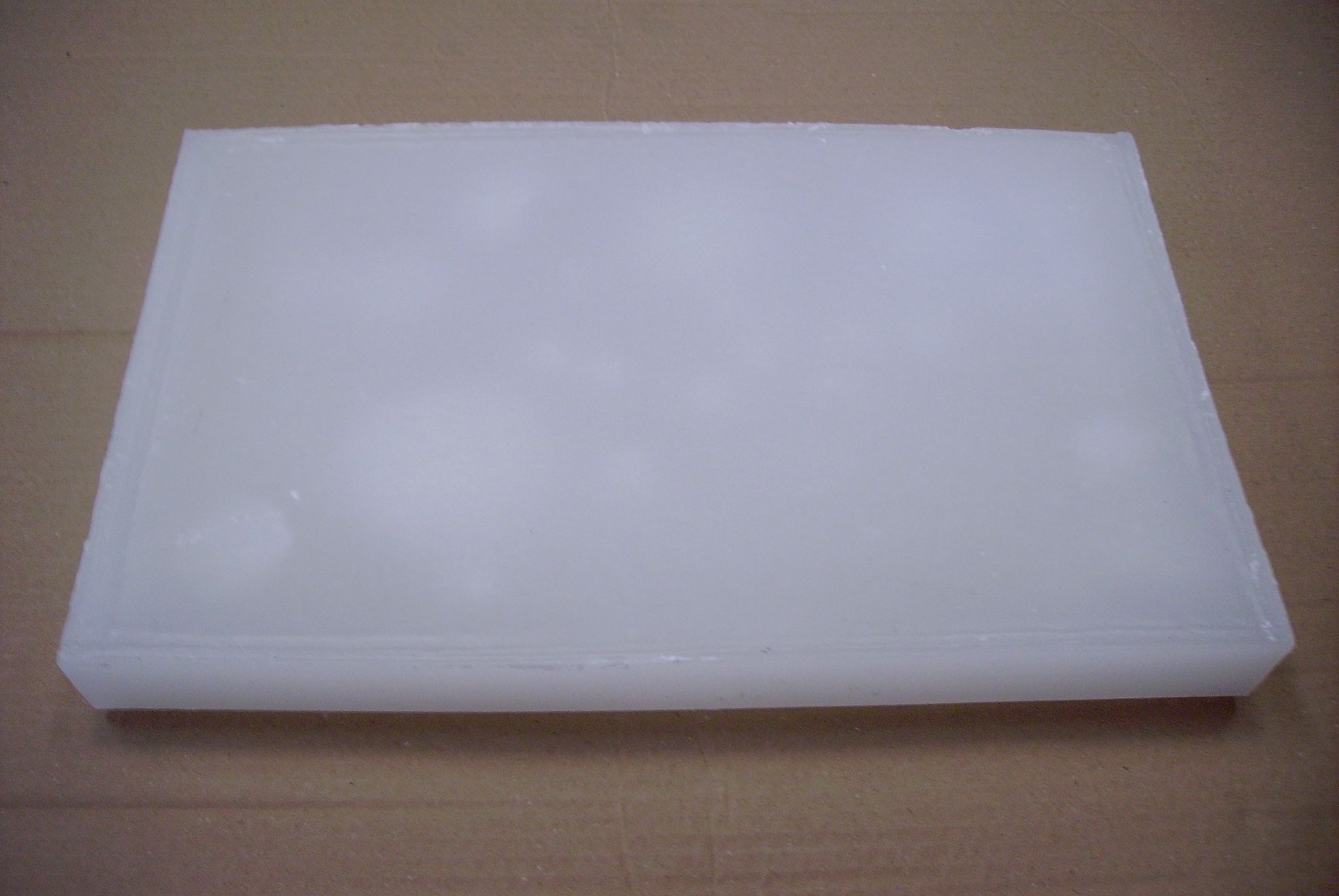
Paraffin wax is the most commonly used wax in commercial candle production. It is derived from petroleum and has a low melting point, which allows it to burn easily. While paraffin wax is widely available and inexpensive, it does have some drawbacks. It emits potentially harmful chemicals when burned, such as toluene and benzene, which can affect indoor air quality
2. Soy Wax
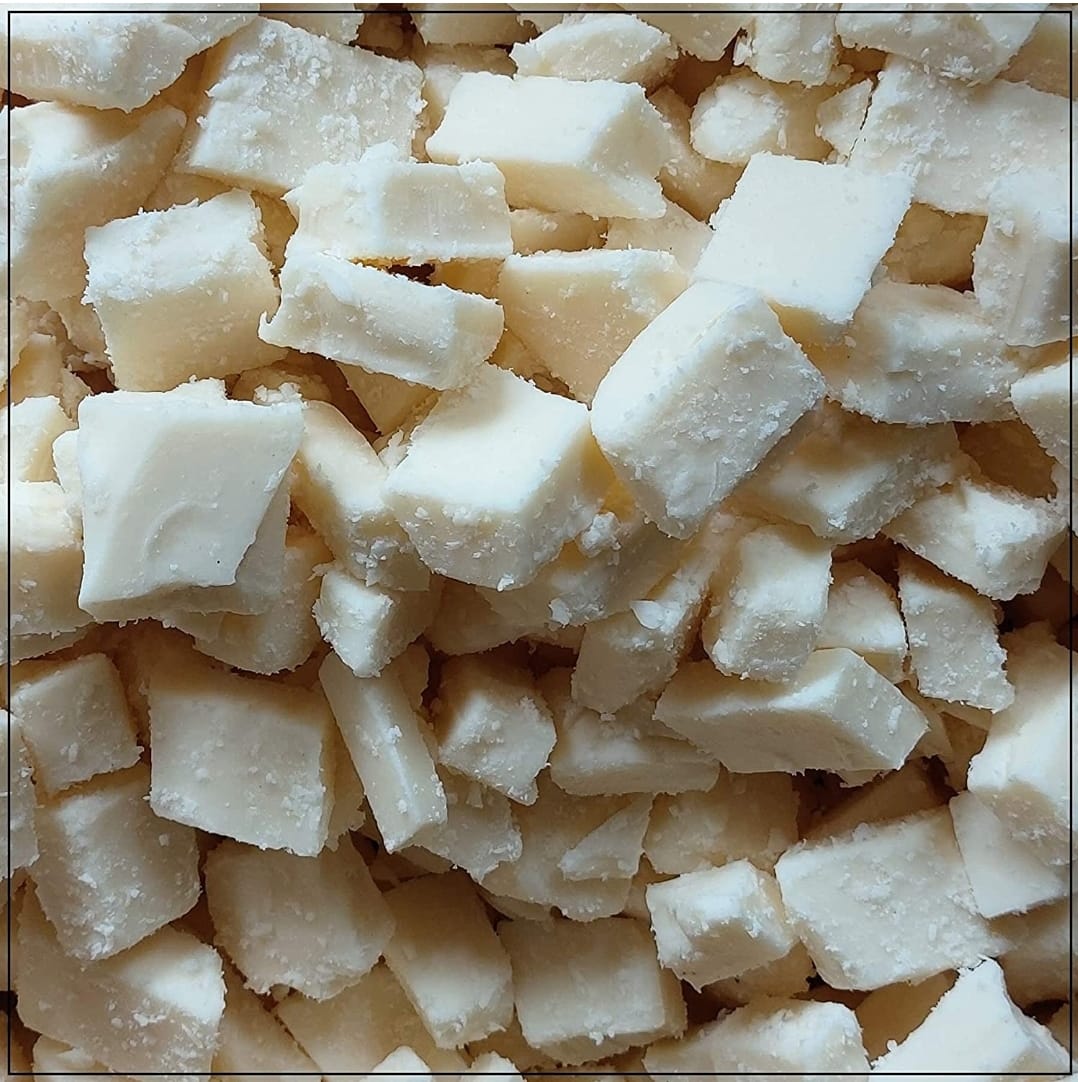
Soy wax is a natural alternative to paraffin wax, made from soybean oil. It has gained popularity in recent years due to its renewable and eco-friendly nature. Soy wax burns cleaner than paraffin, with minimal soot and smoke. Additionally, soy wax has a longer burn time, making it a cost-effective option for candle lovers.
3. Beeswax
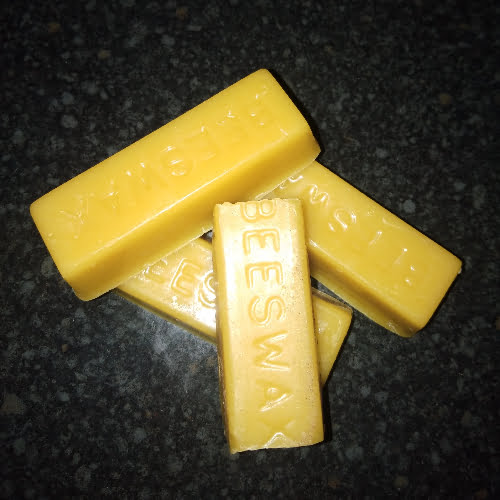
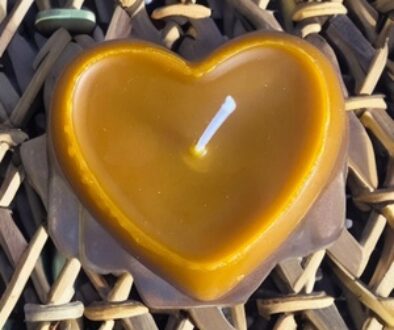
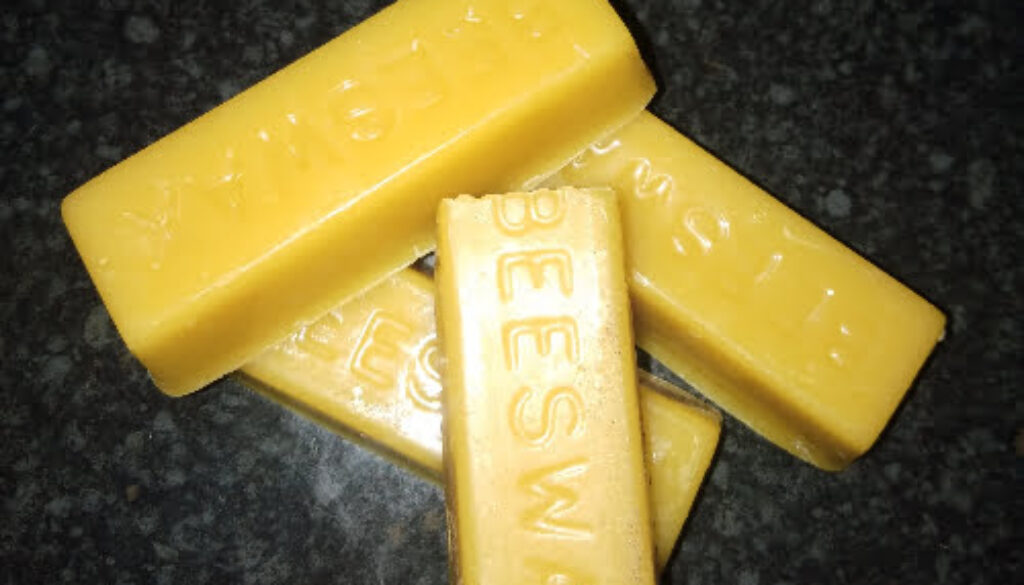
Beeswax is a natural wax produced by honeybees. It is known for its pleasant, subtle scent and beautiful golden color. Beeswax candles have been used since ancient times for their natural fragrance and clean burn.
Here’s why beeswax is considered a better option:
Natural and Non-Toxic
Beeswax is a natural and non-toxic wax, making it a healthier choice compared to petroleum-based waxes like paraffin. It does not release harmful chemicals when burned, promoting better indoor air quality and reducing the risk of allergies or respiratory issues.
Long Burn Time
Beeswax candles have a significantly longer burn time compared to other types of candles. They burn slowly and evenly, ensuring that you can enjoy their warm glow and soothing aroma for an extended period.
Clean Burn
One of the key advantages of beeswax is its clean burn. It produces minimal soot and smoke, eliminating the need for frequent cleaning and reducing indoor air pollution. Beeswax candles are an excellent choice for individuals with sensitivities or allergies.
Natural Fragrance
The natural fragrance of beeswax candles is delicate and inviting. It adds a subtle, honey-like scent to your space, creating a warm and cozy atmosphere. Unlike artificially scented candles, beeswax candles provide a more authentic and natural aroma.
Ionization Properties
Beeswax candles release negative ions when burned. These ions help neutralize pollutants in the air, such as dust, pollen, and mold spores, improving air quality and promoting a healthier environment.
4. Palm Wax
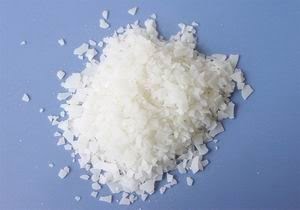
Palm wax is derived from the oil palm tree. It is a renewable and environmentally friendly option, similar to soy wax. Palm wax candles have a unique crystalline appearance and a long burn time. However, the cultivation of oil palm trees for wax production has raised concerns about deforestation and habitat destruction.